From its days shrouded in industrial “pea-souper” fogs to contemporary challenges of rising temperatures and increased flooding, London‘s climate evolution has been significant in its transformation over the decades. This article explores the historical and ongoing shifts in London’s weather patterns, highlighting the importance of adaptive strategies to ensure the city’s resilience in the face of constant climate change and the impacts that come with it.
Historical Climate Patterns: Tracing London’s Atmospheric Changes
Legacy of the London Fog

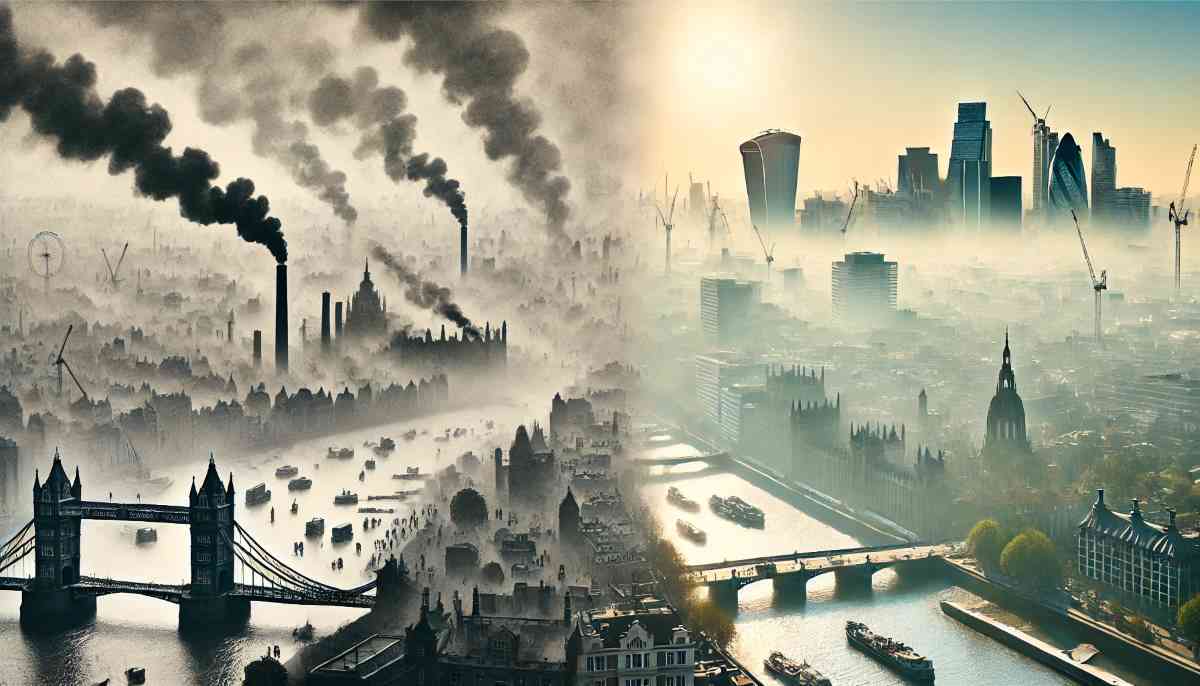
During the Industrial Revolution, London was infamous for its thick, disruptive fogs, a byproduct of extensive coal burning. These fogs not only hindered daily activities but also posed severe health risks. Regulatory reforms in air quality during the 20th century successfully decreased significant fog days from approximately 90 days annually to around 20 by the late 20th century, clearing the air and paving the way for new environmental challenges.
Long-Term Temperature Trends
Historical temperature records from 1659 to the present illustrate London’s gradual transition from persistent cold spells to a warming climate. This warming trend is especially pronounced in autumn temperatures, which have risen by approximately 1.5°C since the 1960s, aligning with global warming patterns.
Recent Trends in London’s Climate: Rising Temperatures
Gradual Increase in Temperatures

Since the mid-20th century, London has experienced a noticeable increase in average temperatures, from 9.5°C to approximately 10.5°C today. The summer of 2023 marked a significant milestone with an average June temperature of 18.3°C, considerably higher than the historical average of 15.4°C from 1961 to 1990.
Escalation of Heatwaves
The frequency and intensity of heatwaves in London have significantly increased, with the city now experiencing nearly three times as many heatwaves as in the late 20th century. The highest recorded temperature reached a sweltering 40.2°C on July 19, 2022, underlining the growing impact of global warming.
London’s Climate Sees Flooding Challenges: Increased Risks and Responses
Surge in Flooding Events
The increase in days with significant rainfall has led to more frequent and severe flooding. The Thames River has risen at an alarming rate of 0.9 meters per century, exacerbating flood risks and highlighting the need for robust flood defense mechanisms.
Proactive Flood Defenses
The strategic use of the Thames Barrier has become more frequent, reflecting London’s escalating need to manage its flood risks actively. This increased reliance on flood defenses is a testament to the city’s proactive measures to safeguard its populace and infrastructure.
Heatwave Impact on London’s Climate: Urban Heat Island and Health Implications
Heatwave Duration Increases
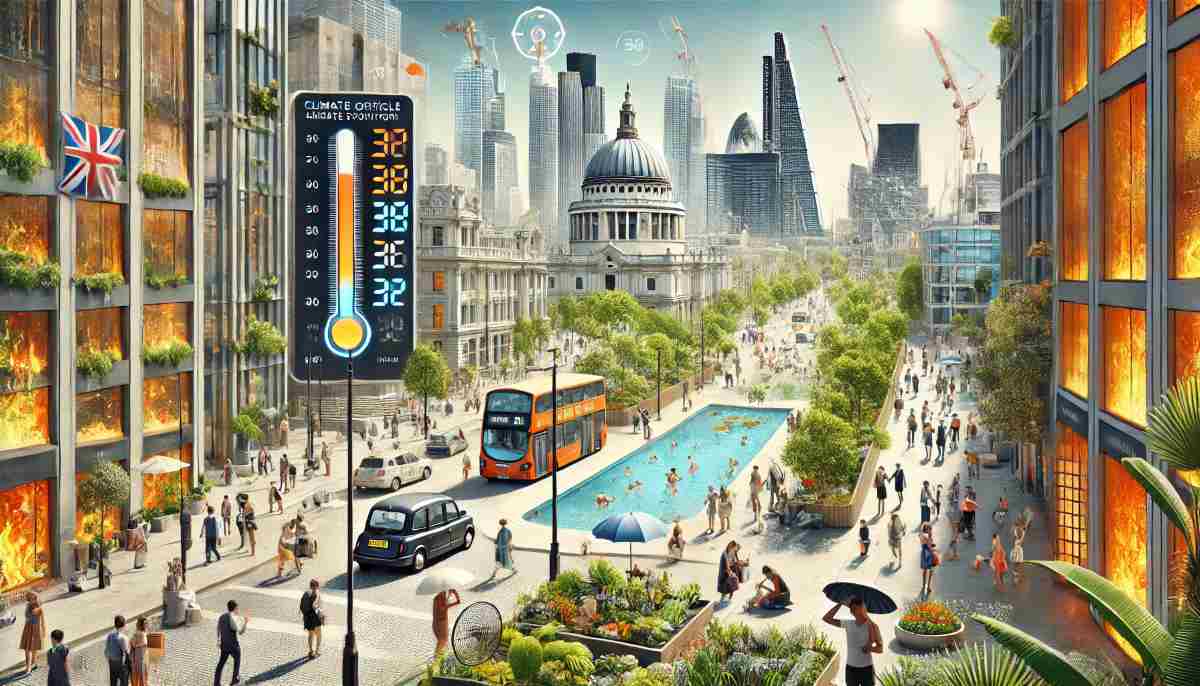
Heatwaves in London are not only becoming more common but also longer, now lasting an average of 5.6 days. This rise in temperature poses increased health risks, particularly for vulnerable populations such as the elderly and those with pre-existing health conditions.
Urban Heat Island Effect
The urban heat island effect continues to intensify the heat experienced in central London, making it imperative to integrate green infrastructure and urban planning solutions to mitigate these effects.
London’s Climate Projections: Preparing for Tomorrow
Projected Temperature Increases
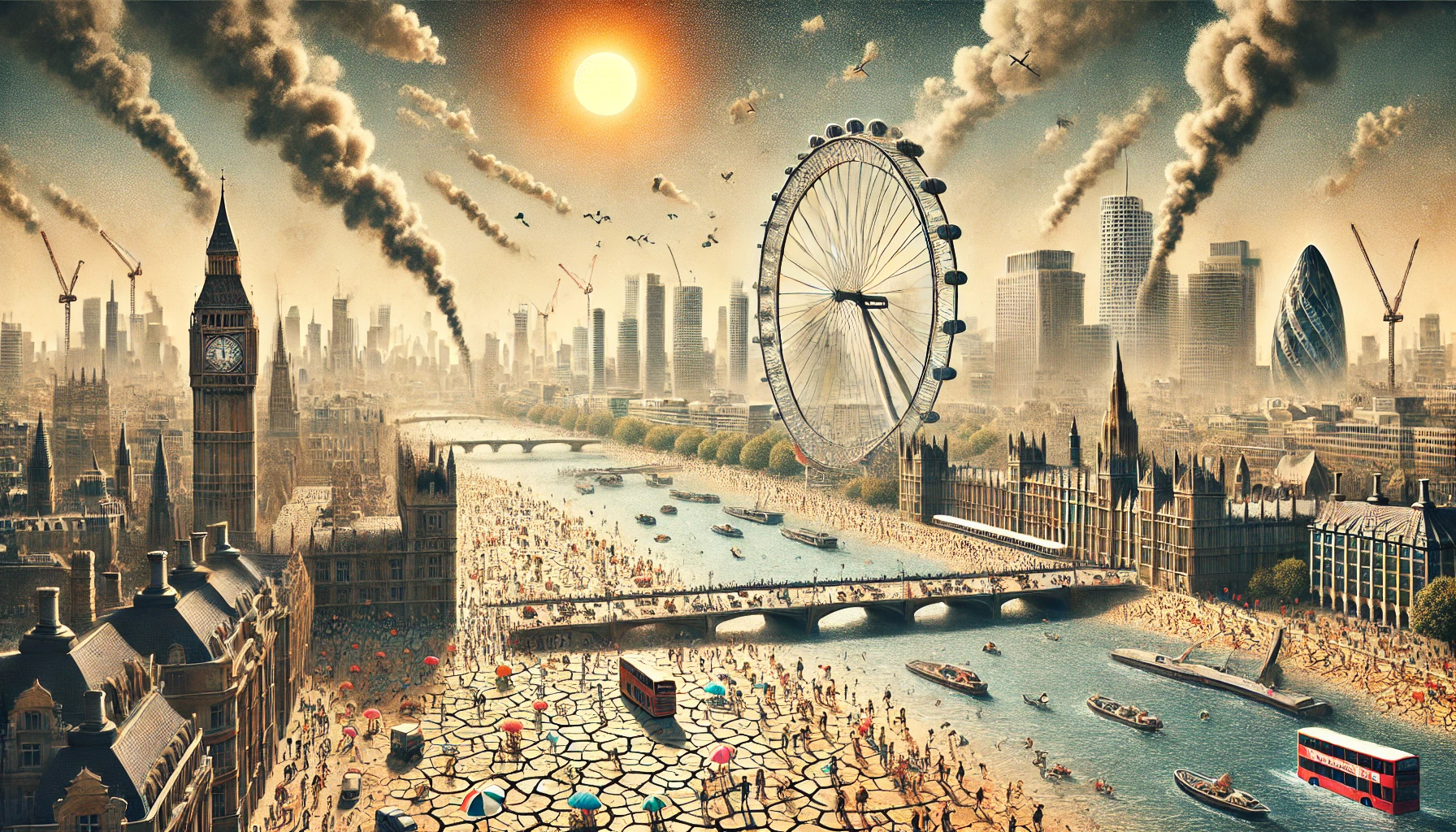
By 2070, London could face an average increase of 3.9°C in summer temperatures under high emissions scenarios, emphasizing the need for enhanced urban infrastructure and public health strategies.
Anticipated Increase in Flooding
Flood events currently considered rare could become much more frequent by 2050, necessitating further investments in flood defenses and community preparedness.
As London continues to navigate its evolving climate challenges, it is not merely about adapting to changes but transforming them into opportunities for growth and innovation. By enhancing green infrastructure, expanding flood defenses, and fostering community resilience, London can continue to thrive — remaining a vibrant, dynamic, and livable city well into the future. The collaborative efforts of all sectors of society are fundamental to this endeavor, ensuring that London not only survives but prospers in the face of global climate change.
Be sure to read the following article by clicking here and don’t forget to leave your comments in the section below.