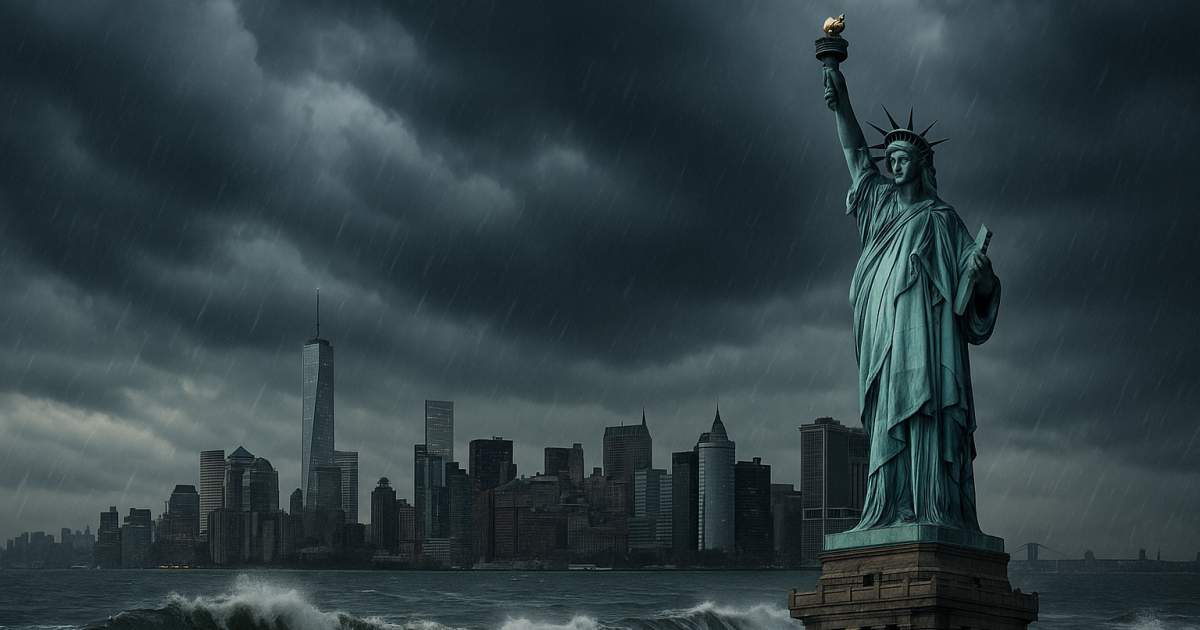
New York City, a metropolis characterized by its dynamic culture and diverse seasons, has witnessed significant shifts in its local weather patterns over the last century. From the bone-chilling winters of the early 1900s to the increasingly unpredictable and intense weather events of the 21st century, these changes offer valuable insights into the broader impacts of global climate change, informing future preparedness and resilience strategies.
Early 20th Century Weather Patterns (1900s – 1920s)
During the early 1900s, New York’s winters were famously harsh, with the Hudson River freezing so solidly that people could cross from Manhattan to New Jersey on foot. The summers, while warm, lacked the oppressive humidity seen in later years. Newspaper archives from 1920 recount consistent snowfall each winter and temperatures that frequently dipped below the freezing point, highlighting a period of climatic stability that is no longer present today.
Mid-20th Century Local Weather Shifts (1930s – 1950s)
The 1930s brought a noticeable warming trend, particularly in winter temperatures, which rose gradually but steadily. The Dust Bowl years of the mid-1930s, while primarily affecting the central US, also impacted New York with subtle shifts in air quality and visibility. By the 1950s, this trend had led to milder winters and the emergence of smog during summer, exacerbated by post-war industrial growth and a boom in automobile use, marking the beginning of environmental concerns linked to local weather changes.
Late 20th Century Extremes (1960s – 1980s)
New York’s climate in the late 20th century was marked by extremes in its local weather patterns. The blizzard of 1969, which blanketed the city with 20 inches of snow, brought it to a standstill and was a stark reminder of the city’s vulnerability to severe winter weather. The 1970s and 1980s experienced some of the coldest winters and hottest summers on record, including the severe 1977 blackout during a summer heatwave, which highlighted the growing impact of extreme weather on urban infrastructure.
The Turn of the Millennium (1990s – 2000s)
The technological advances of the 1990s improved local weather forecasting dramatically, with the 1996 blizzard being one of the most accurately predicted events, allowing better city preparedness. This era also noted a significant rise in average temperatures, a trend that persisted into the 2000s. The early 2000s experienced some of the warmest years on record, which were accompanied by increased precipitation, setting the stage for future climate change impacts.
The Current Local Weather Climate (2010s – Today)
Recent decades have underscored the intensification of climate change effects. Superstorm Sandy in 2012 was a pivotal event, demonstrating the city’s vulnerability to coastal storms exacerbated by rising sea levels and warmer ocean temperatures. Flooding has become a more common occurrence, and summer temperatures have surged, challenging the city to implement adaptive strategies like reinforcing flood defenses and revising building codes to withstand these new climatic norms.
AI Predictions for Future Local Weather Patterns in New York
Leveraging over a century of data, AI models provide a grim forecast for New York’s weather. They predict that extreme weather events, such as heatwaves and heavy snowfalls, will become more frequent and intense. Summers will likely see prolonged periods of high temperatures, significantly impacting urban living conditions by exacerbating the heat island effect. As New York continues to develop, the concentration of buildings, roads, and other infrastructure will likely retain more heat, further increasing city temperatures during the summer months. This will exacerbate air quality issues and increase energy consumption due to higher demands for cooling.
Winters, while warmer on average, could surprise with sporadic severe snowstorms. Rising sea levels are expected to cause increased flooding, particularly in lower Manhattan and other coastal areas, necessitating significant urban planning and investment in flood defenses.
On this note, one of the most stand-out predictions regarding local weather made by AI is the continued rise in sea levels, which could significantly impact New York’s extensive coastal areas. AI models suggest that by 2050, many lower-lying areas could experience regular flooding, particularly during storm surges. This poses a serious risk to infrastructure, including transportation systems and essential utilities.
The historical and predicted future weather patterns in New York City highlight the dramatic shifts induced by climate change. These insights are crucial for developing strategies that enhance resilience and adaptability, ensuring that the city can protect its infrastructure, economy, and residents from the increasingly severe whims of nature.
To ensure you are not caught off guard when visitng new place, like New York, be sure to read the following article – Global Travel Guide